Leadership Collective 2026
Theme: Climate Citizenship
Each year, the Leadership Collective focuses on a theme that connects global youth leadership with pressing global issues, particularly climate change.
In 2025, our theme was Climate Citizenship, exploring how young people can take meaningful action to combat climate challenges.
We believe empowering youth with the skills and confidence to drive change equips them to become active and impactful global citizens.
2026 Edition Spotlight
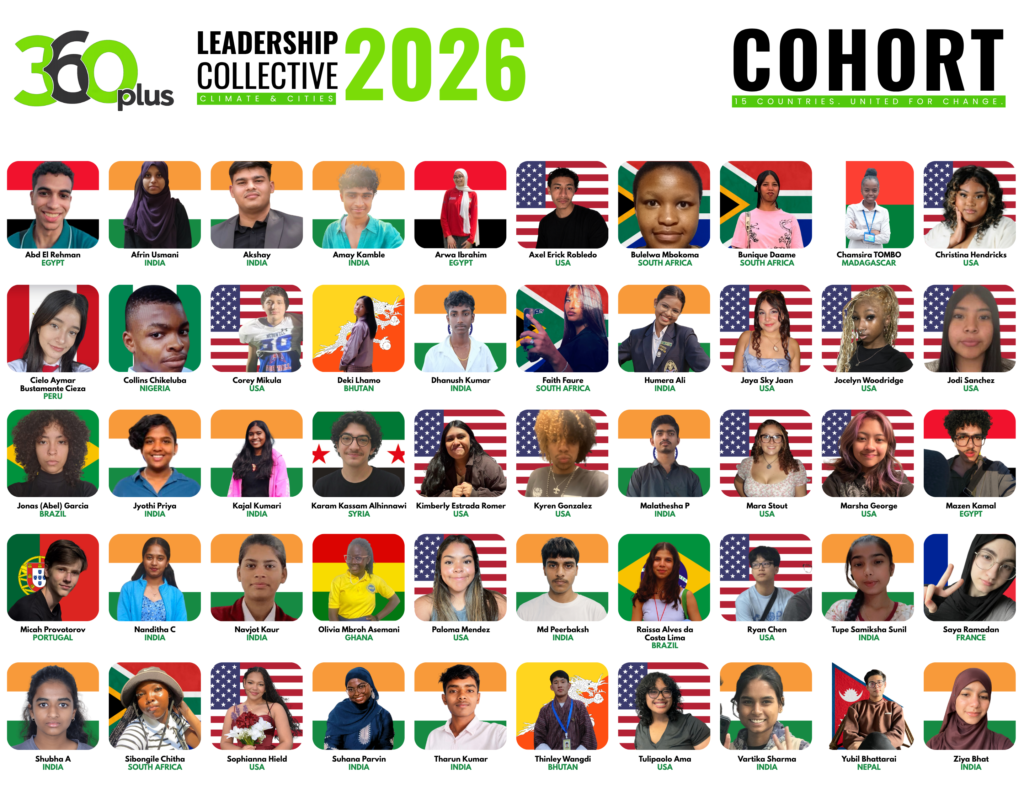
Meet the 2026 Cohort
Travel Toes creates immersive experiences tailored to your passions—whether that’s languages, social justice, history, or environmental action.
This isn’t typical tourism. You’ll learn from experts, live with local families, and connect with students from around the world. Every journey is customized. Every moment is intentional. Every experience transforms
The Blogs
Street Audits, City Hall & a Smart-City App
From spotting broken footpaths on a morning walk to reporting them to the city by lunch — change made simple.
A Slow Start, Reflection & Rain-Stopped Games
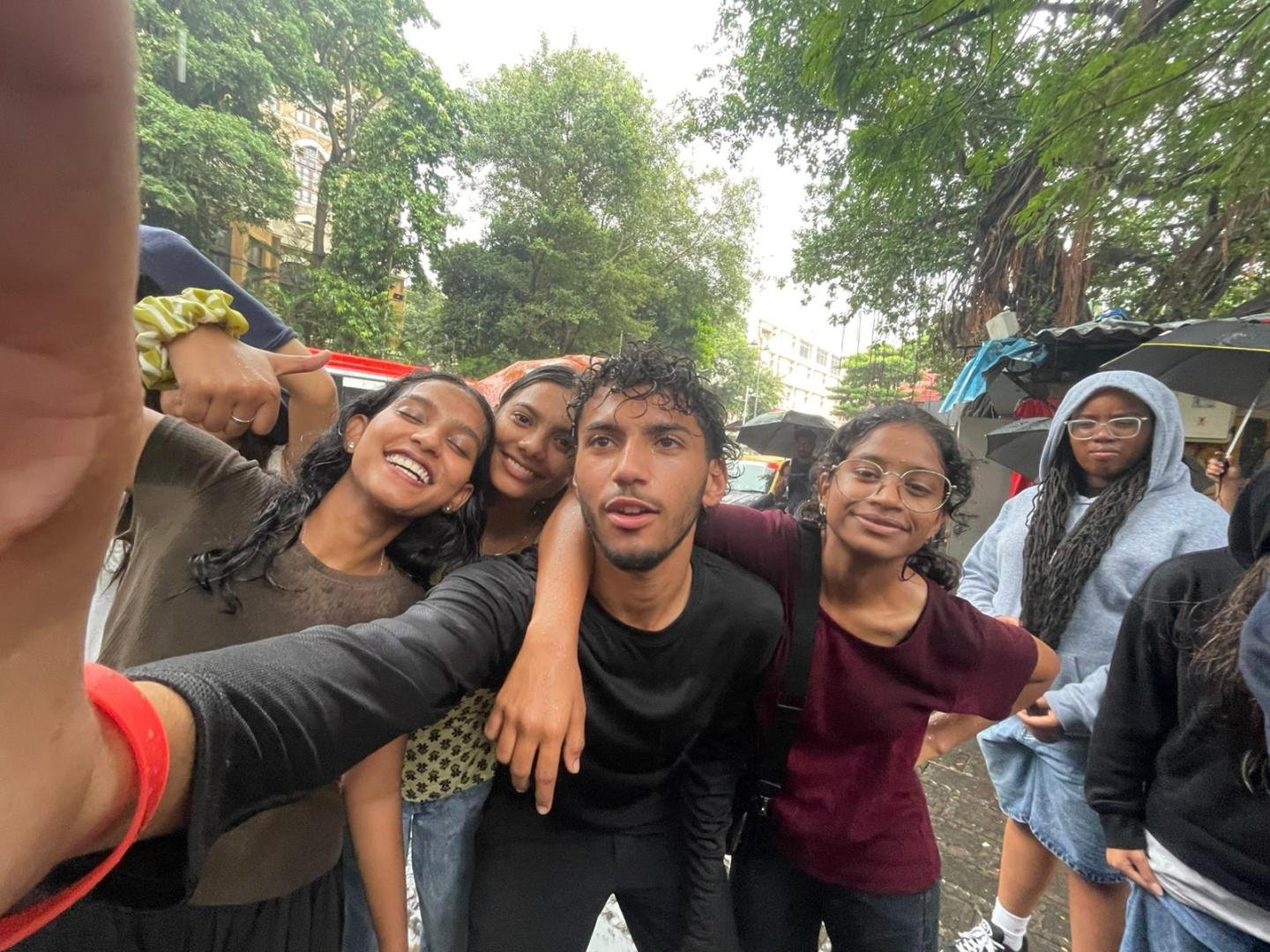
A gentle first full day: a long breakfast, an assignment across every city, and a downpour that ended the sports.
A Warm Welcome to Bengaluru
A new city, a garden house full of greenery, and a rainwater-harvesting system that made sustainability feel everyday.

Gandhi’s House, a Tree Named Brook & Mandela Day
A morning at Gandhi’s home, an afternoon planting trees at Gathering Green, and a lesson in how forests talk.
600 Years of Old Ahmedabad & a Second Life for Cloth
A heritage walk through a 600-year-old city, a textile-recycling office turning waste into affordable wardrobes, and a night of Gujarati food and folk dance.
The Best Classrooms Don’t Have Four Walls
A 5 AM start, a four-hour road to the Aravalli hills, and a forest that felt like home to a student from Bhutan.
From Listeners to Leaders
Why cities feel the heat first, what concrete has to do with it, and the moment the cohort started solving instead of just listening.

JL
Hugging Trees, Reading the Climate
A man-made forest at the CEE campus, uninvited monkeys with a lesson to teach, and the day climate and weather stopped being the same word.

RS
A 3:30 AM Start & a City That Danced Us In
Music at the hotel doors, new names at every lunch table, and three travel groups born: elephants, parrots and peacocks.
From Corner Offices to Open-Air Murals
A morning inside KPMG’s sustainability playbook, an evening chasing the sunset through Delhi’s Lodhi art district.

Water, Stone & First Hellos
Ancient cooling channels at the Red Fort, a surprise garden at Sundar Nursery, and a cohort quietly turning into a community.

Twenty days.
Four cities. One route.
Delhi to Ahmedabad to Bengaluru and back — classrooms, forests, stepwells, boardrooms and one very famous mausoleum. Follow the cohort day by day.
Chapter 01 · Jul 8 – 11
Delhi
4 days · The capital classroom — heritage, street art and first hellos.
Welcome + Orientation
Kick-off session welcoming the cohort and briefing everyone on program goals, house rules, and the weeks ahead.
Red Fort + Spice Market + Jama Masjid, lunch at Karim’s
Guided walk through Old Delhi covering the Mughal-era Red Fort and Jama Masjid, weaving through the spice market, with lunch at the iconic Karim’s.
Sundar Nursery
Evening visit to a restored 16th-century Mughal-era heritage park and botanical garden near Humayun’s Tomb.
KPMG Visit
Talk on corporate sustainability practices.
Lodhi Art District
Walking tour of Delhi’s open-air street art district in Lodhi Colony, featuring murals by artists from around the world.
Ceramics Workshop
Hands-on pottery and ceramics session where students learn traditional shaping and glazing techniques.
Dilli Haat
Free-time visit to an open-air crafts bazaar and food market showcasing India’s regional cuisine and handicrafts.
Mud House
Visit to Mud House, an earthy, sustainability-themed café and space known for its eco-conscious design, run by a couple.
Packing
Free time set aside for students to pack ahead of departure to Ahmedabad.
Chapter 02 · Jul 12 – 18
Ahmedabad
7 days · The climate lab — stepwells, forests, Gandhi and Garba.
Arrival at Ahmedabad Airport
Flight arrival and transfer to the hotel.
Welcome, Introductions and Kem Cho Amdavad
Orientation session introducing the program, its objectives and expectations — and the city itself.
Sports
Team-building games at Colosseum Sports Club, Sindhu Bhavan.
Introduction to Climate Change in India
Full-day foundational session at the Centre for Environmental Education (CEE), demystifying core climate science and India-specific climate challenges.
Climate Change and Urban India (CFID)
Full-day session at Hotel President exploring how climate change is reshaping Indian cities — and how cities can adapt.
Visit to Water Harvesting Plant
Field visit to L.D. College of Engineering to see rainwater harvesting systems in practice.
Field Visit — Adani HQ
Inside ENOC, the Energy Network Operations Centre — Adani’s centralized digital command center monitoring and managing its energy infrastructure across India — and the OT CEC, the Operational Technology Cyber Excellence Centre.
Traditional Water Harvesting System — Adalaj ni Vav
Visit to the 15th-century Adalaj Stepwell, showcasing ancient Indian water-conservation architecture.
Nature Hike in the Aravalli Range
Full-day guided hike through Polo Forest, a community-managed forest reserve known for its biodiversity.
Heritage Walk — Old City
Walking tour through Ahmedabad’s old city, exploring its traditional pols (neighborhoods) and UNESCO World Heritage-listed architecture.
Recycling in Urban Spaces — India Recycle Office
Visit to a local recycling initiative to understand urban waste management and conscious consumption.
Field Visit — Gandhi Ashram
Visit to Sabarmati Ashram, Gandhi’s former residence, exploring his philosophy of nonviolence alongside the legacies of Martin Luther King Jr. and Mandela.
Nelson Mandela’s Day Celebration
An afternoon honouring Mandela Day and its call to service.
Garba Night
Festive farewell evening at Hotel President featuring Garba, Gujarat’s traditional folk dance.
Chapter 03 · Jul 19 – 25
Bengaluru
7 days · The innovation garden — bootcamps, simulations and a convocation.
Arrival
Flight arrival in Bengaluru and direct transfer to the farm house visit.
Kalaari Capital — Farm House Visit
Explore traditional home farming practices.
Cultural Sensitivity Session
360Plus leader-led session on navigating cultural differences respectfully.
Veolia Facility & CSR School Visit
Tour of a Veolia waste and water management facility paired with a visit to a school supported by Veolia’s CSR program.
Solve Bootcamp (Reap Benefit)
Hands-on civic problem-solving bootcamp run by Reap Benefit, where students tackle local environmental challenges.
Museum of Art & Photography
Interactive science and art exhibits.
Infosys Visit
Experiencing green facilities management practices.
Community Building with Adda and Interns (Reap Benefit)
Interactive session with Reap Benefit’s “Adda” community and interns, focused on peer learning.
Super El Niño Climate Simulation
Interactive simulation exercise modeling the impacts of a Super El Niño event on climate systems.
Nature Walk / Cubbon Park
Guided walk through Cubbon Park, Bengaluru’s large central green space.
Earth5R
An environmental organisation focused on circular economy and community-led sustainability action.
Bengaluru International Centre: Convocation Day
Closing ceremony held at the Bangalore International Centre, marking a milestone in the program.
Celebration Dinner @ Sanchez
A celebratory dinner to mark convocation.
Chapter 04 · Jul 26 – 27
Delhi, again
2 days · The send-off — one wonder of the world, one last dinner.
Arrival
Flight arrival back in Delhi and transfer to the hotel.
Finish Blogs & Assignments
Dedicated time for students to complete their trip blogs and pending assignments.
Taj Mahal
Day trip to Agra to visit the Taj Mahal.
Farewell Dinner
Closing dinner and goodbyes.
Twenty days later, forty-nine students fly home carrying one route — and a hundred ways to change their own cities.
The world was the first classroom.
Before a single boarding pass was printed, the cohort logged into three live sessions, got one deceptively simple homework assignment — look at your own city — and wrote down exactly who they intend to become.
Three online sessions built one shared language for the year's theme. The arc is deliberate: first understand the problem, then study how cities survive it, then decide what you'll do about it.
Session One
The Fundamentals of Climate Change
A fast-paced crash course on the world's greatest "wicked problem" — the science behind it, its environmental, social and economic dimensions, and how mitigation differs from adaptation. Students asked sharp questions from the very first slide.
Session Two
Sustainable & Resilient Infrastructure
From understanding climate change to designing places that can live with it. Through a risk activity rooted in their own lives, students unpacked hazard, exposure and vulnerability — and studied real-world resilient architecture, from traditional building wisdom to modern urban design.
Session Three
Addressing Climate Change & Actioning Transformation
The final session moved past causes and impacts to the only question that matters: now what? Nature-based solutions, climate technologies, and policy, education, finance and social movements as levers of change — ending with each student reflecting on their own role in it all.
No single solution is a panacea — so the cohort learned to carry the whole toolbox.
One assignment before the Infrastructure session: find one feature in your hometown that keeps people safe and comfortable — something you've walked past a hundred times. The cohort turned ordinary architecture into evidence of everyday problem-solving. Tap a flag to travel.
& verified
by LC26
Courtyards that are open to the sky
Hot air rises out, cool air drifts in, and sunlight streams down — cutting the need for electric lighting entirely.
Filed by Vartika
← → also works on a keyboard · a small selection of the cohort's work
The "Knowing Thyself & Dreaming" assignment asked each student where they want to go and who they want to be — and their answers now shape how facilitators run the programme itself. No one-size-fits-all. The cohort wrote its own brief.
From Now → To The wildest dreams
"LC 2026 will connect me with people who can help me achieve my wildest dreams."
Kyren · on why they joined
From Now → To A living planet
"I should play a part in saving our planet's resources for a more sustainable future."
Paloma · on why they joined
From Now → To Real-world problems, solved
"I want to become a software engineer and build a career solving real-world problems."
Tharun · destination declared
From Now → To Helping people
"Medicine, audiology, or mathematics — because I enjoy helping people and solving problems."
Sibongile · destination declared
From Now → To Humans + Earth, on speaking terms
"A peaceful life inspiring better relationships between humans and their environments."
Jonas · destination declared
From Now → To Everyone at the table
"I love to make people feel heard and included."
Kimberly · superpower on record
Voices from the cohort
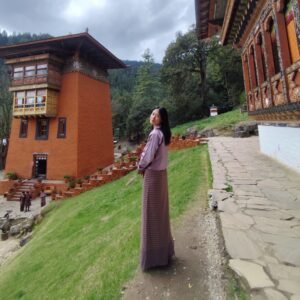
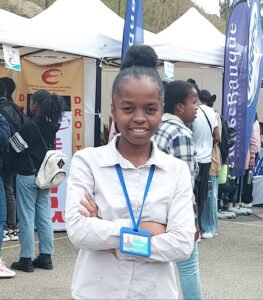
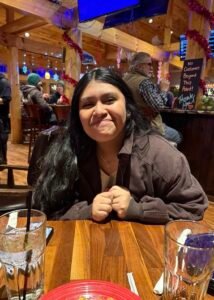
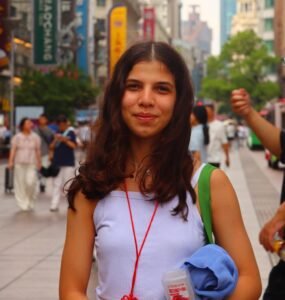
Before a single flight was booked, The Fifty had already introduced themselves — in application essays, one very lively group chat, and conversations on their own doorsteps. Here's what they sounded like.
The application never ranked achievement. It asked one open question — and caught who these students are when nobody's grading them.
"Genuine exchange begins when people stop trying to explain one another too quickly and allow difference to breathe."
Cielo Bustamante Cieza · Peru
"It is not about where you are from, but about where you feel accepted."
Joythi Priya · India
"I don't just want to be an engineer who builds machines; I want to be a contributor to climate resilience."
Humera Ali
"I have a sincere care for our environment, and I firmly stand against its destruction."
Ziya Bhat
The icebreaker was three prompts on WhatsApp: your name, your community, and someone you look up to. Half the cohort named a public figure. The other half named someone standing right next to them.
One thing I like to call myself is the unstoppable passionate walking cat 🐈
10:42People here don't wait for opportunities — they create them.
10:47She always gives her kids the world... nothing is given but earned. 🤍
10:53Regardless of his past, he continues to strive to be the best version of himself.
11:01One assignment. One rule: put the phone down and talk to someone in your own neighborhood about the climate. Many knocked on the closest door of all — family.
HOME
A mother's houseplants
"We should take care of our planet because the earth is the only one God gave us."
— Diana Jimenez, interviewed by her son Alfred Lopez-Jimenez
THE
GARDEN
A grandmother's garden
"This garden taught me responsibility, and how to care about what I put in my body."
— Lisa Barts, interviewed by her grandson Corey Mikula
GHANA
A teacher's five words
"If we waste the Earth, we waste our future."
— Mr. Stephen N. Y. Essandoh, interviewed by Olivia Mbroh
THE
COHORT
What it actually taught
"This was more of learning about different communities rather than an assignment."
— Suhana Parvin, reflecting on the exercise