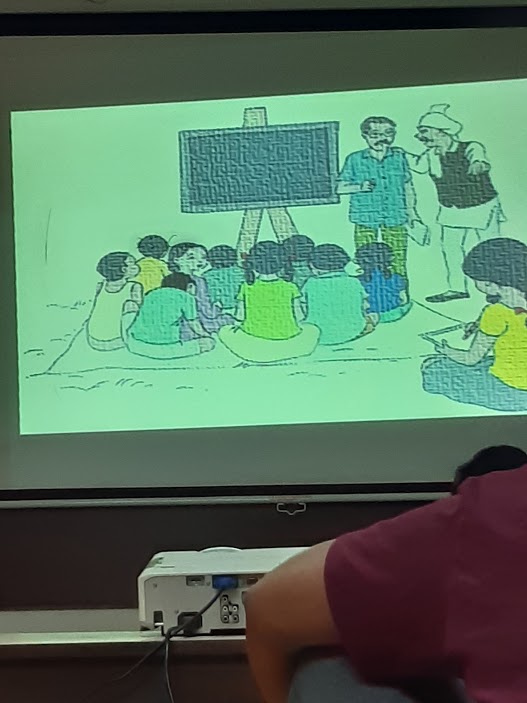
After preparing for a couple days before all the students arrived, the South Asian students presented on their cultures for the international students. You can read more here, and see a few student interviews here, beginning with Olga!
Monica
Mohammad
Rohini
Kultwisiso
Shilpi
I miss my mom. That’s my personal struggle when it comes to being somewhere new. The first couple of days on the trip were interesting, especially for my stomach. My body was not ready for the food I was about to feed it and boy did I got sick. Being in that state made me want to seek that comfort that only my mom could bring me. Luckily I didn’t have to look far, as I had the best roommate ever. Sanu was ready to step in without anyone even having to ask her. She was there to tend to my every need. She really did turn into my mom for a day. I remember getting woken up to eat dinner at around 10 at night. I wasn’t even hungry and yet I had someone making sure I ate. Being force fed by moms seems to be my hobby. This is just an example on how people on this trip are truly amazing. I’m so grateful for the opportunity to travel somewhere new and have them by my side experiencing the same things I am. Getting to know them, who they are, and their points of view based on that is something that wouldn’t happen easily anywhere else. The space that we’ve been brought into and help cultivate has made it possible. The connections we made were so smooth though that I’m not lying when I say that if anyone on this trip ever need a favor years from now they could totally hit me up. I miss my mom, but I’ll miss these guys too.
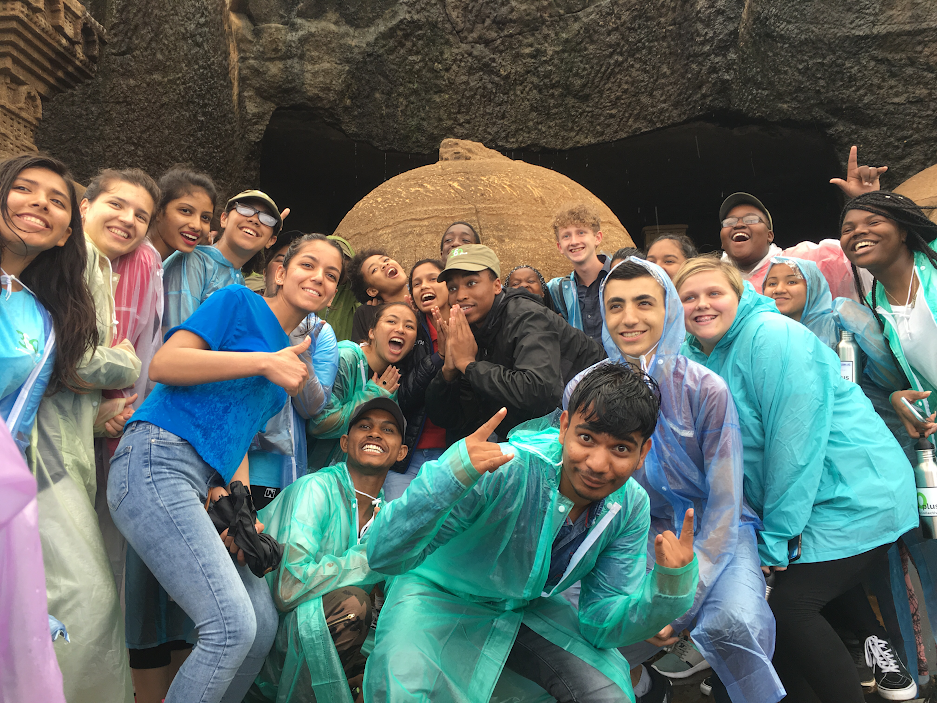
Today we learn a lot of about the politics & casteism. It was an amazing day for me. We can forget the day. We can forget the guy but we can’t forget today’s knowledge. Because I don’t know how explain it but I’m explaining…I’m explaining that we started the season at about 9.30am but we finished it about 5.10pm. Let’s go with Naveen…first we started the season with intro and why are you here. We learnt about vulnerability detected…it related to exposure, weakness and power. After we talked about the vulnerability, discrimination and victimization. One thing which was common in this is that discrimination based on the three points. We divided in 4 groups and in my group there such common thing I found. Not in my group in all in other group. I shocked because i thought in India have only this kind of thing but out of India…..i really shocked..😐. After that we were seeing such pictures of the discrimination.
It was amazing because we had a chance to get know past casteism of India. Seeing we got sad. Some sad emotional was coming in my mind😶🙄. After we had lunch. After we came in room the season started with videos. In those videos we saw discrimination based on the Dalit women ,on Dalit children, on a Dalit town and… on tribal in Hindi we call aadivashi. After that we judge all thing with Indian articles (14 to 25 ) that what kind of social issues include in which article. So we find most of the issues had same articles. After it we talked about politics & casetism. Politics is game 😕. Political parties act. They take a caste play with us politic..politic..as like kubaddi..kubaddi. That’s all.
But I think discrimination is on our hands because we have accepted that we are untouchable. If we try to remove and fight for our rights then we will live with full freedom. India have 4 varna out of this 1 another varna is that Dalit. They have no rights. We can do something for Dalit …because now this time nobody want it. Every guy want to enjoy his life. And give some similarities to women. Because they also want freedom 😃. I don’t think what our past now we are youths we should be do something for our community for our nation. By they way today season was good because sleep did not come😁. And finally Naveen thanks for all that this is for you.
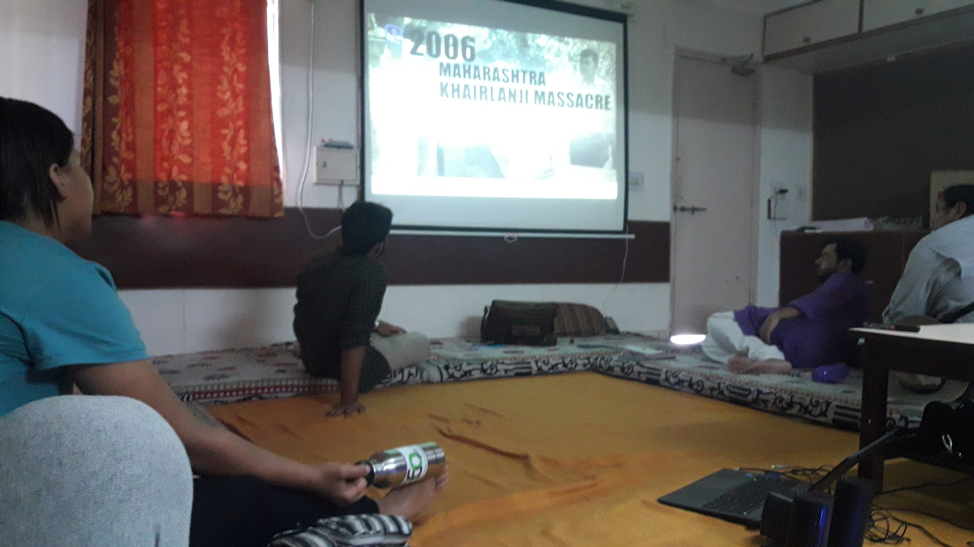
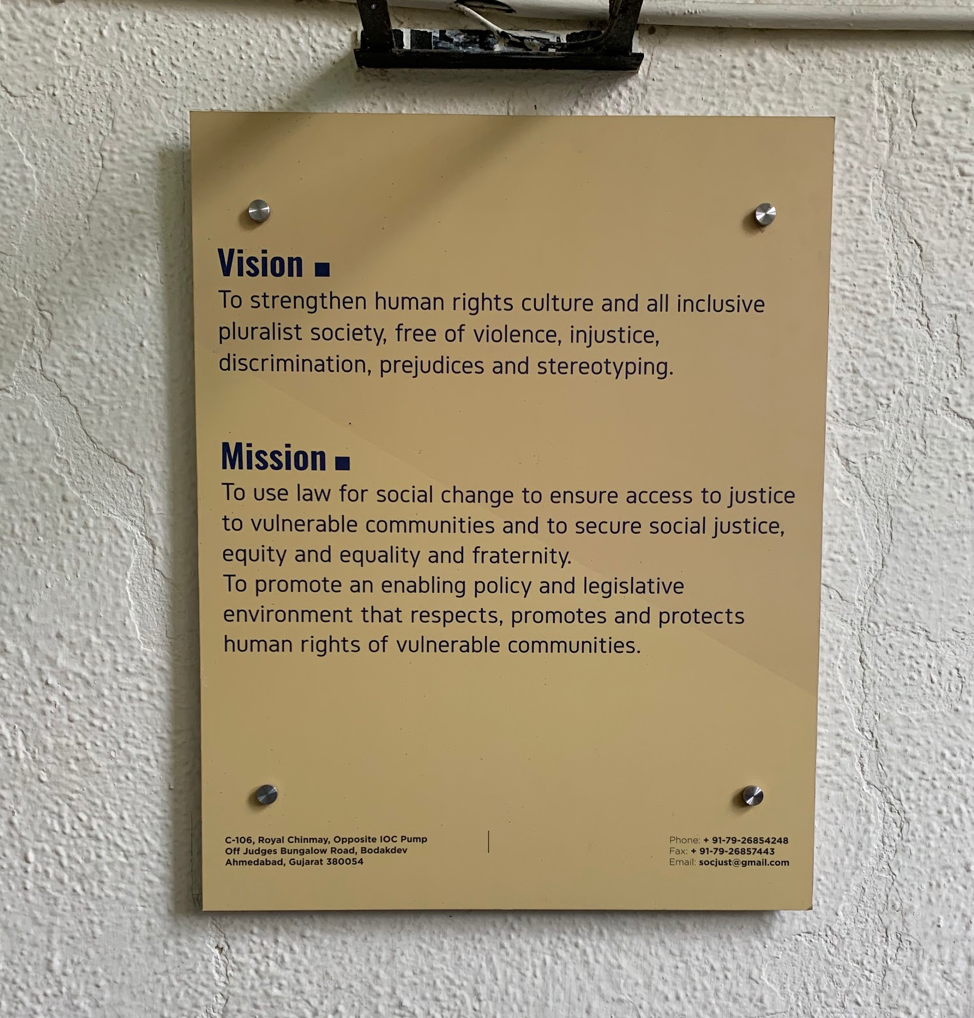
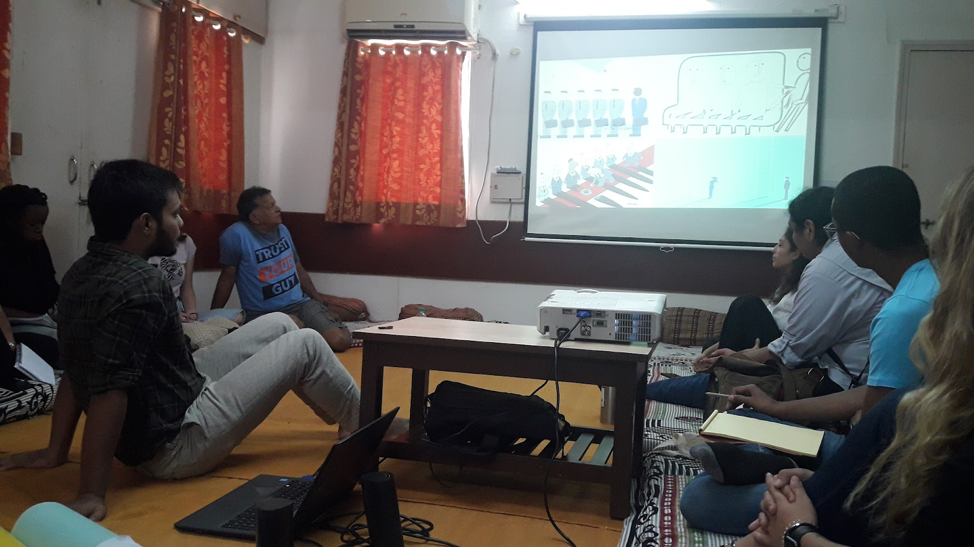
The reason that I applied for the Leadership collective is simple: youth citizenship. This year’s theme couldn’t have matched my interests more. I’m interested in all things related to law and government. I firmly believe that these institutions are the bedrock of our society. Today, my group had a workshop with Naveen from the Centre for Social Justice. He is a lawyer working to abolish the caste system, which, to this day, perpetuates a culture of hate and violence towards the Dalit people.
Naveen’s presentation defined the caste system, it’s categories, origins, and its effect on the people at the bottom of the hierarchy.
To put it briefly, the Dalit people—Dalit is a self proclaimed title meaning “oppressed”— are of the Shudra (lowest caste) or untouchable (outside of caste) categories in the Varna system. The role of Dalit people is to serve the upper castes by cleaning human and animal excrement, dispose of bodies, and, for woman, serve male priests through sex slavery, Varna is embedded in Hindu holy texts and the castes are inherited so the Dalit people are stuck in this horrific cycle of slavery and humiliation.
However, people like Naveen are using the legal system to demand action. The last thing he said and something I live by is: law is the best tool to make social change. With him, we went over the Indian constitution and identified which of the Dalits’ fundamental rights were being infringed upon. We talked about the South African, Bulgarian, and American constitutions and their similarities. Interestingly the 14th right in the Indian Constitution, as well as the 14th amendment to the American Constitution demands equality under the law.
Our workshop strengthened my passion for the study of law and opened up two main discussions in our group. Firstly, hereditary based discrimination is very much alive and and it is present in every country represented by the leadership collective. And secondly, we had a debate about the power of a Constitution. While, yes, the rights of the Dalits are being ignored, I personally argued that the Constitution is a guide for society. It may not have the power to enforce the protection of rights but it is the government’s recognition of said rights. My own Constitution didn’t free people with my skin color until almost 100 years after it’s ratification and a Civil War has been won. Yet, I understand that the document’s purpose is to hold the government accountable, define the values of our society, and forever evolve. Once faith is lost in the Constitution—no matter which country you’re in— faith in the democratic experiment is lost.