
After preparing for a couple days before all the students arrived, the South Asian students presented on their cultures for the international students. You can read more here, and see a few student interviews here, beginning with Olga!
Monica
Mohammad
Rohini
Kultwisiso
Shilpi
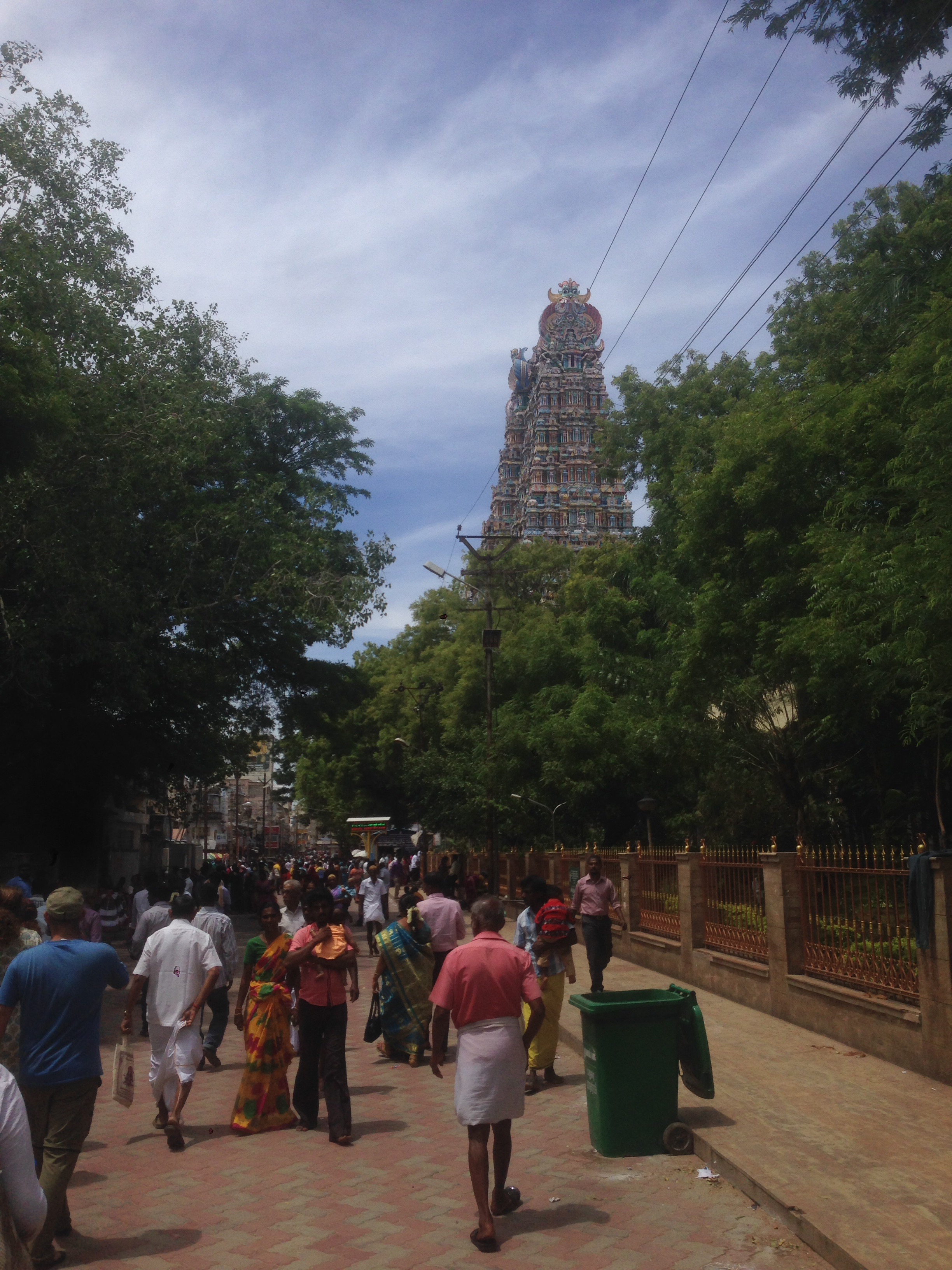 The other day we got to visit the Meenakshi Aman temple, which was a worthwhile sight and experience, but it was bittersweet because not all of us were allowed in. Part way through our tour of the place, I realized that our friend Ayan wasn’t there. She is Muslim, and they didn’t let her in because she refused to take off her Hijab, something none of us had considered before arriving at the temple. I think she managed to still have a good time, and so did we, but it felt bad not moving as a group. It did bring up some interesting and passionate conversation however, which has been going on a lot recently.
Today I feel blessed. Not in that joking, Instagram hashtag, emoji praise-hands way, but truly, deeply blessed. We arrived in Madurai by sleeper bus, which meant we were all sleep-deprived and cranky, but already I feel more at home here. Madurai is much smaller than Bangalore, and to me it feels more familiar, slightly more rural and open, and without as much noise like the city. The SITA center, which is our home base in Madurai, is such a welcoming and home-y space. It’s always filled with home-cooked food for us, a welcome change from the hotel food we’ve been eating. Also, it feels like we’ve become more cohesive as a group, and we’re growing closer each day.
We visited the Meenakshi Amman Temple today, sacred to the Hindu goddess Meenakshi, and as it happened, today was an auspicious day. The planet Jupiter is passing into a new zodiac zone, which only happens once in twelve years, so the temple was filled with worshippers. The women wore vivid and elegant saris, and colored their foreheads with bright red and yellow powder (turmeric apparently) and tied yellow cord around their necks as a renewal of their wedding vows. Dr. Vee, a retired religious studies and art history professor who accompanied us, told us that Meenakshi is the mot powerful and sacred wife, so brides often visit her temples and pray to her. We were asked to remove our shoes, and as I walked among the rows of candles and incense smoking, I felt awed and a little dazed. Yet at the same time, my friend Ayan was barred from going in the temple at all. Ayan is Muslim and wears a headscarf, and the attendants told her she must remove it as it would be offensive to some of the Hindu worshippers. This might have been understandable if only Hindus were allowed in, but the temple allowed Christians and “non Hindus,” as it blatantly stated, and we think this was an instance of Islamophobia on the part of the attendant, not an actual rule of the temple. Nonetheless, I felt shaken and a little guilty for enjoying myself at the temple, and this incident really opened my eyes to the growing Islamophobia around the world, which I hadn’t seen in a context outside of the US. It also made me think about my privilege as a member of a religion that doesn’t always present itself in such a visible way, or subject me to singling out or prejudice because of my appearance.
As things tend to go when traveling in India, our plans for our first full day in Bangalore dramatically changed. Due to a citywide strike (i.e. a Bandh) that kept all transit off the road, from ubers to autorickshaws and everything in between, we spent our first full day in India inside our hotel, building community guidelines and getting over jet lag . In the evening, we watched the epic Bollywood film, Bajirao Mastani while enjoying our first meal of Momos i.e. Tibetan Dumplings.
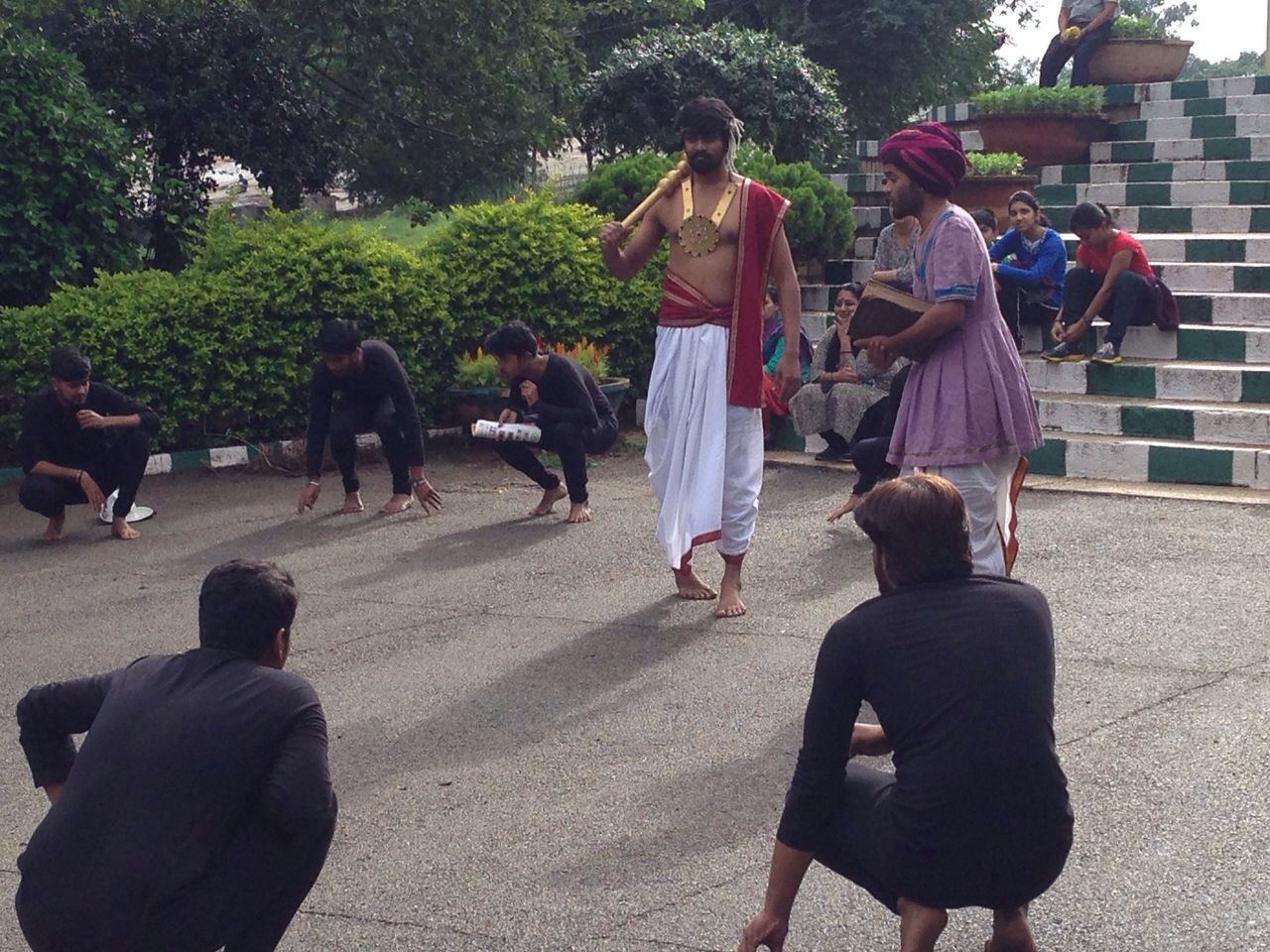
Today, eager to get outside as the city re-opened, we hit the road. The early birds in the group started their morning by walking to Lalbagh Gardens with two of our group leaders. Along the way, they stumbled across a street play on the environment. After breakfast, we took off as a large group, spending the morning at the Government Museum of Bangalore discussing Indian archaeological sites followed by a rousing game of Kabaddi, a traditional Indian game loosely described as a fusion between rugby and red rover, in Bangalore’s Cubbon Park. The best jet lag antidote out there.
After a lunch of dosa ( a rice crepe) at the classic Bangalore establishment, Airline’s Hotel, we headed to Commercial Street, the primary shopping area in Central Bangalore. Our Goal: Kurta’s (i.e. traditional Indian shirts) for all. We practiced our bargaining, navigating streets busy with Sunday shoppers, vendors selling fruit and nuts, and bangles. The occasional mirror selfie taken along the way.
Tonight, we depart for Madurai, Tamil Nadu, the next stop on our journey across India. In addition to following along here, you can find daily updates on the 2016 Leadership Collective journey on instagram at @3sixtyplus and facebook.
Readers, what’s your favorite dosa place in Bangalore?
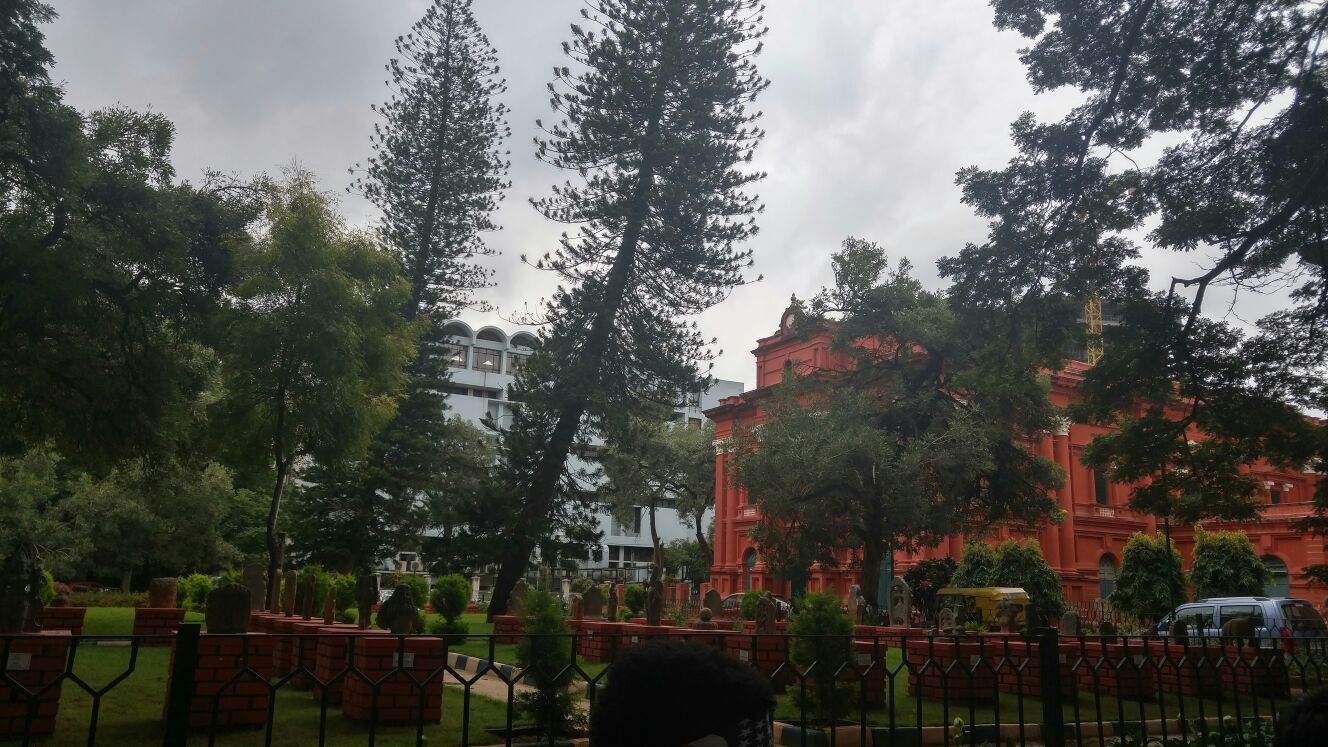
The Government Museum of Bangalore Photo Credit: Alex Hurst
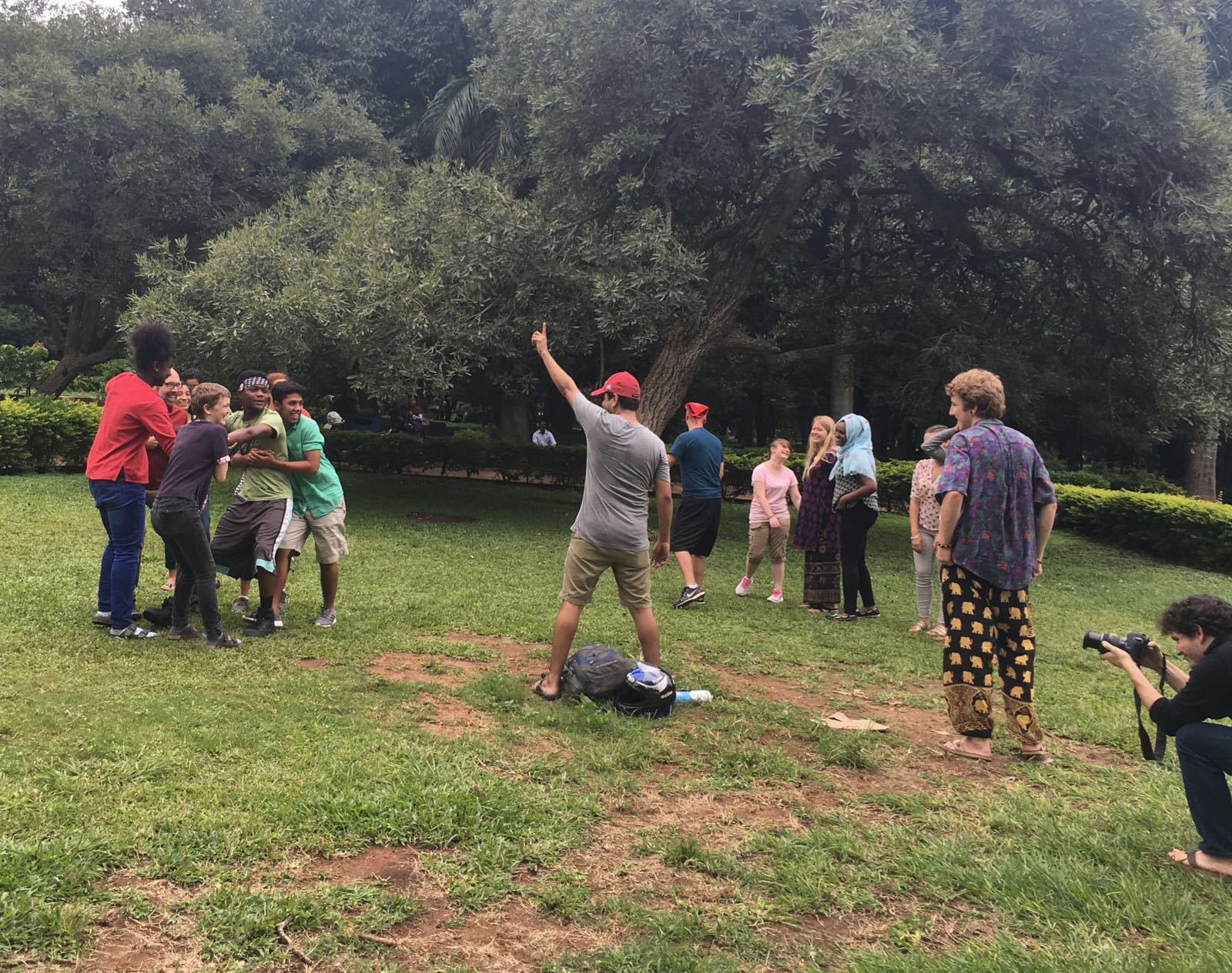
Kabaddi at Cubbon Park
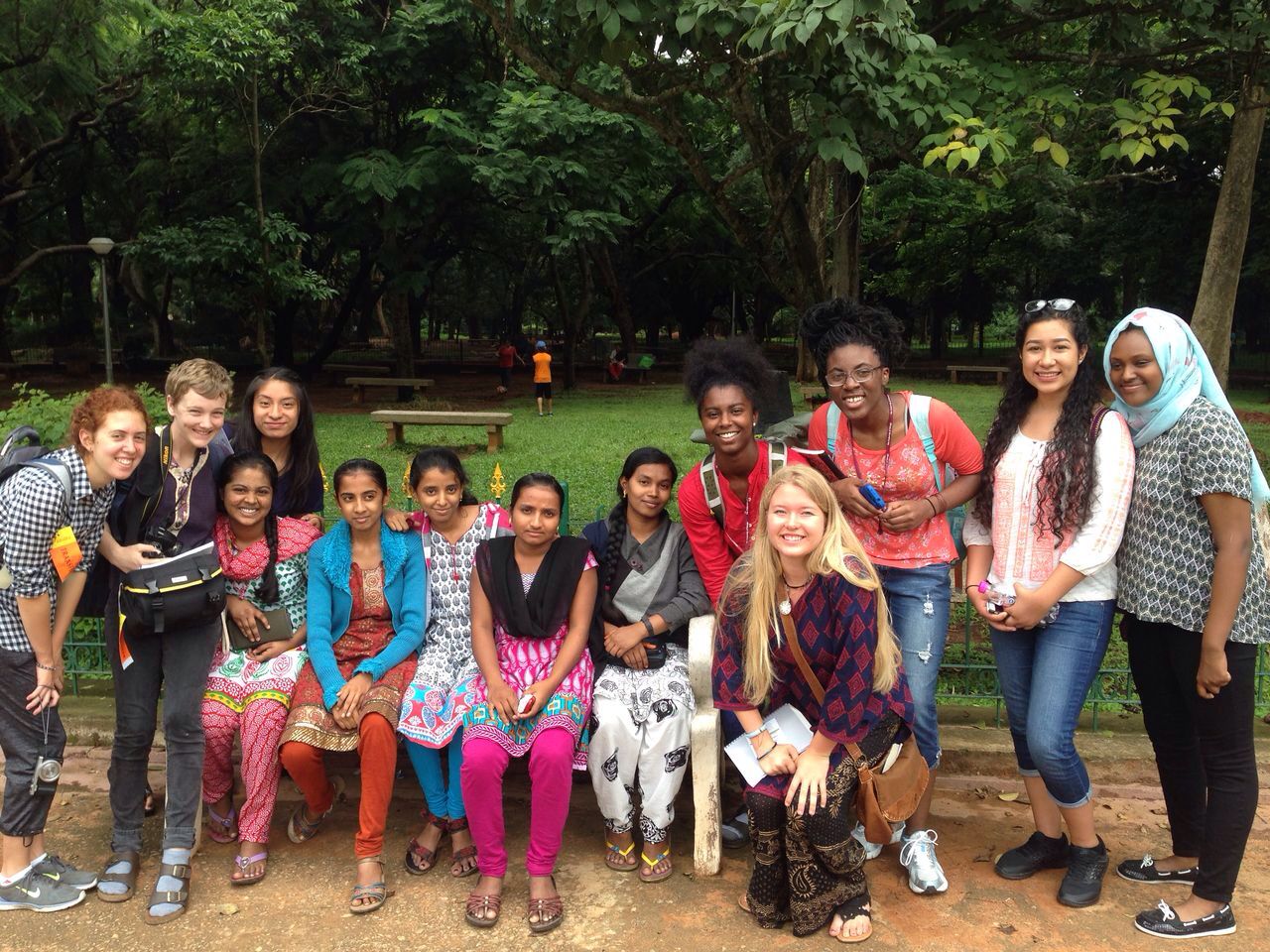
Conversations and New Friends at Cubbon Park
Photo Credit: Gaurang Raval
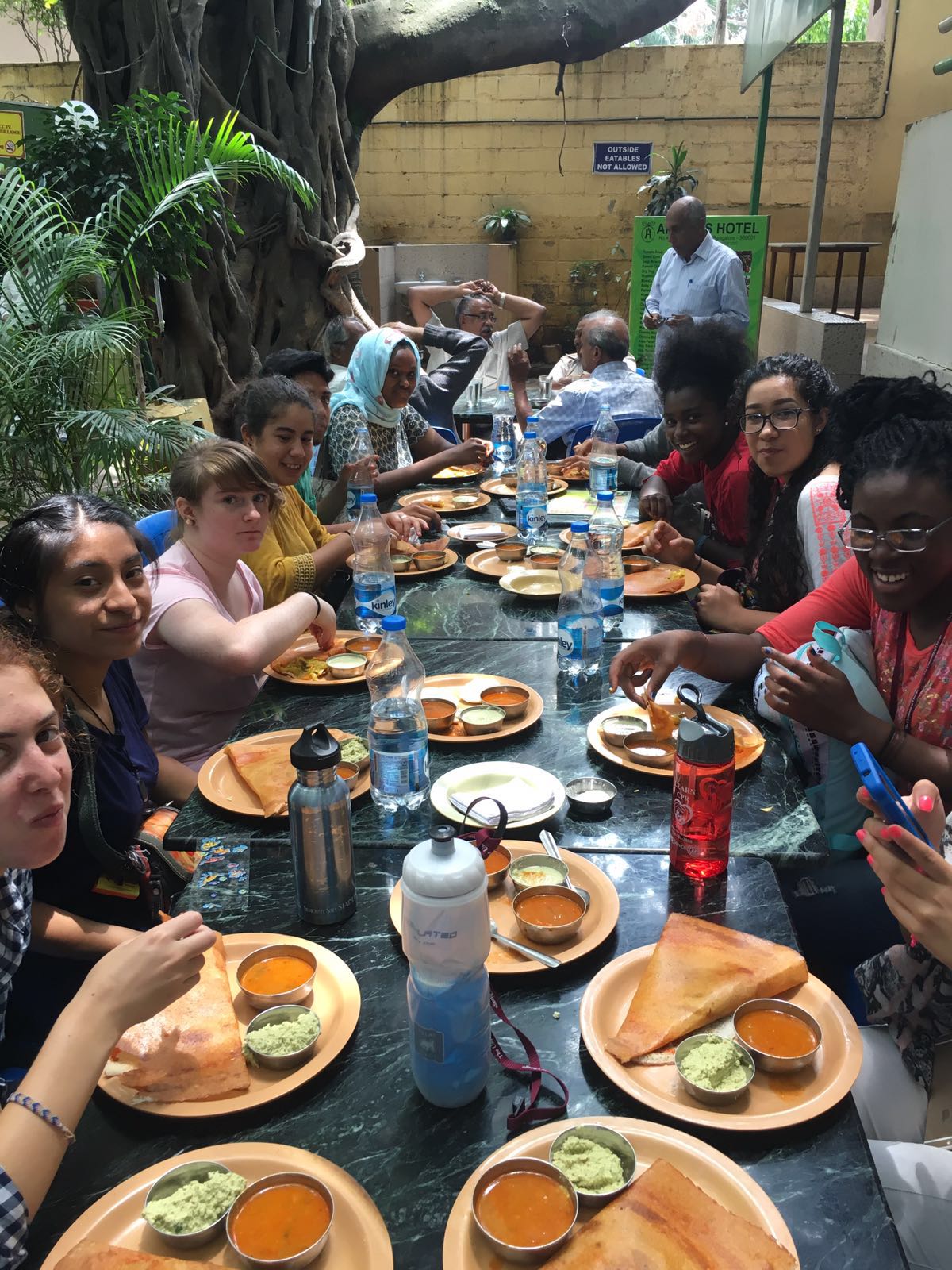
Dosa’s at Airlines
Airlines Hotel
Photo Credit: Talia Ivry
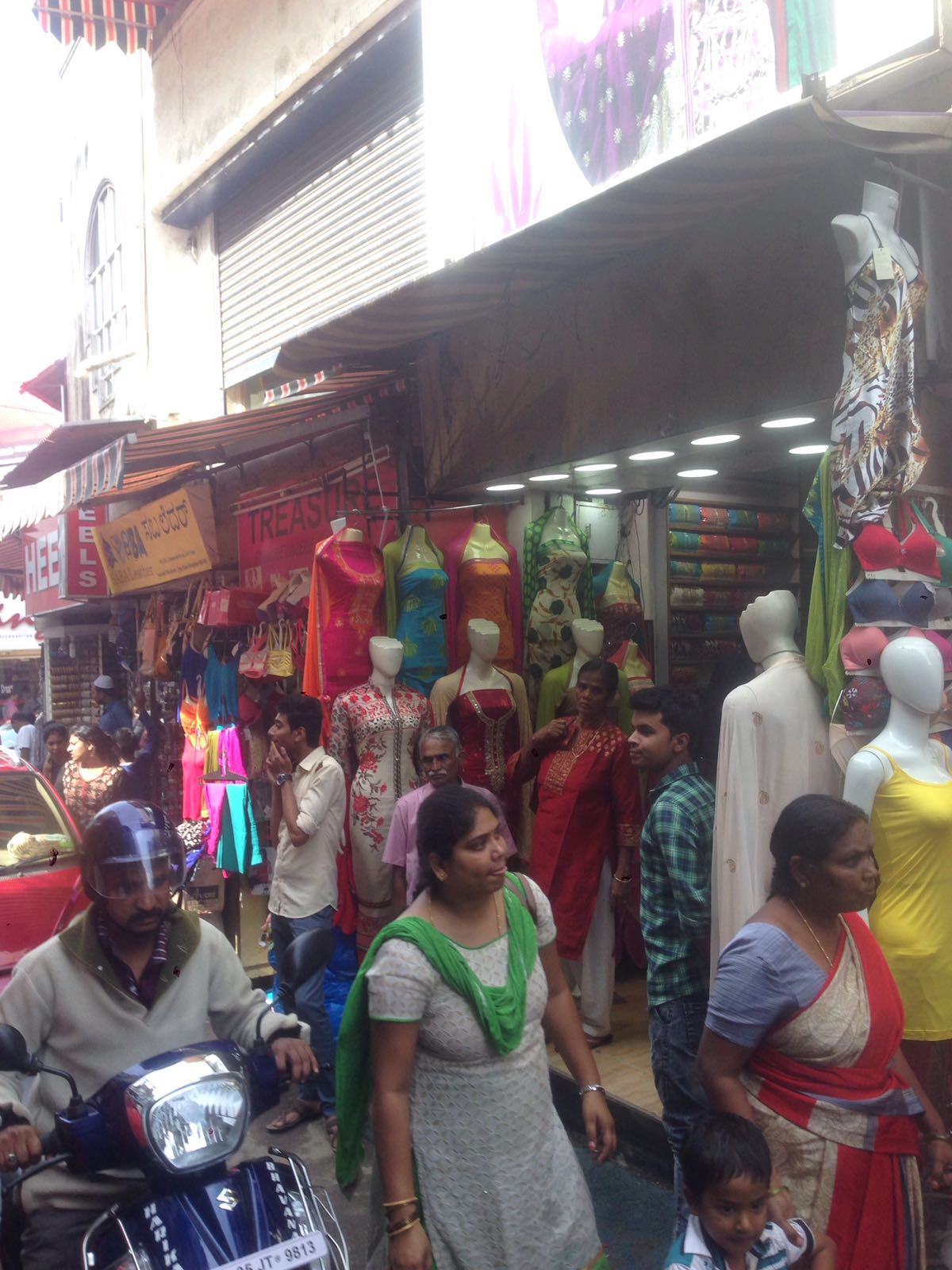
Commercial Street
Photo Credit: Raven Swing
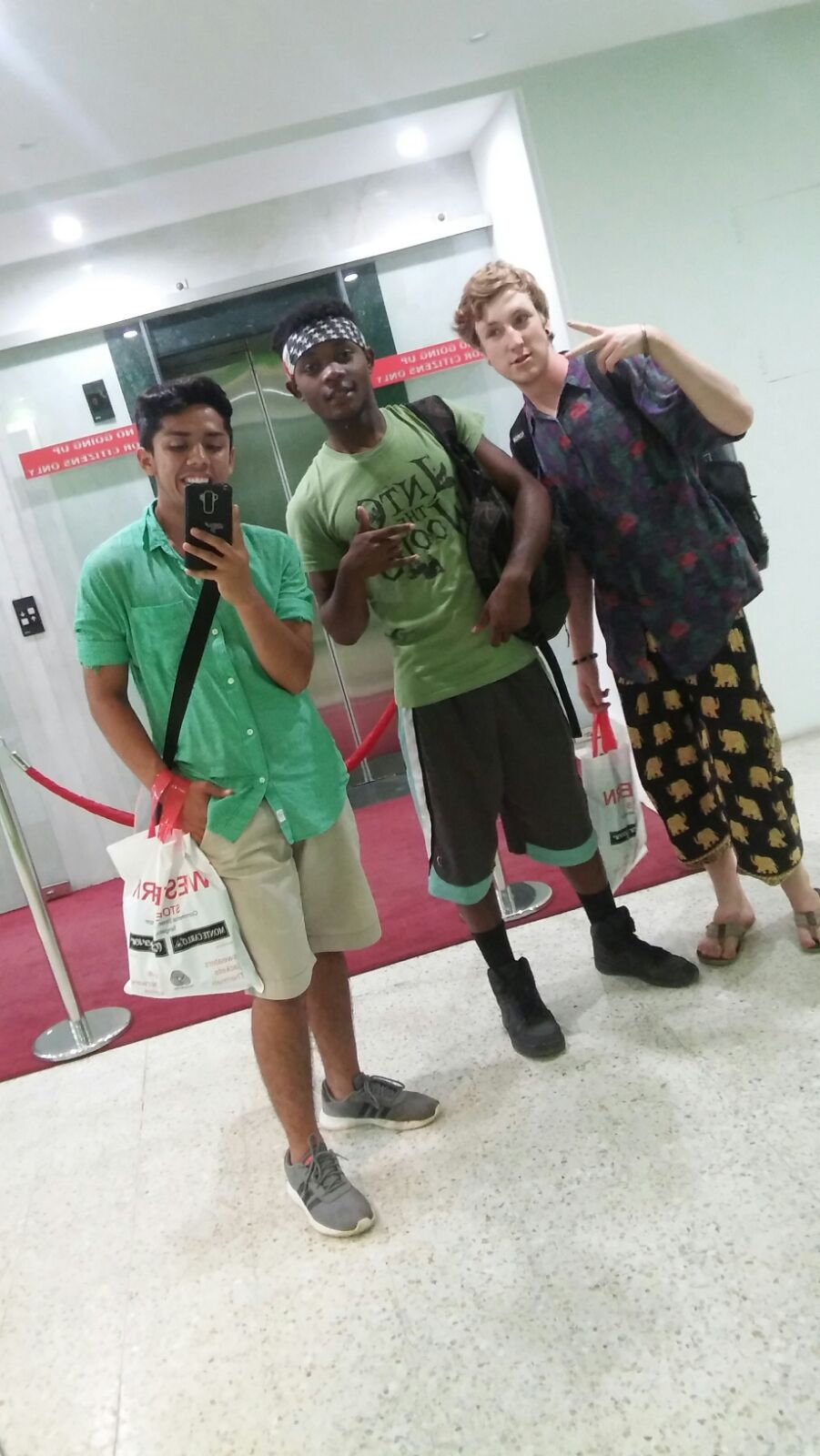
Photo Credit: Juan Garcia
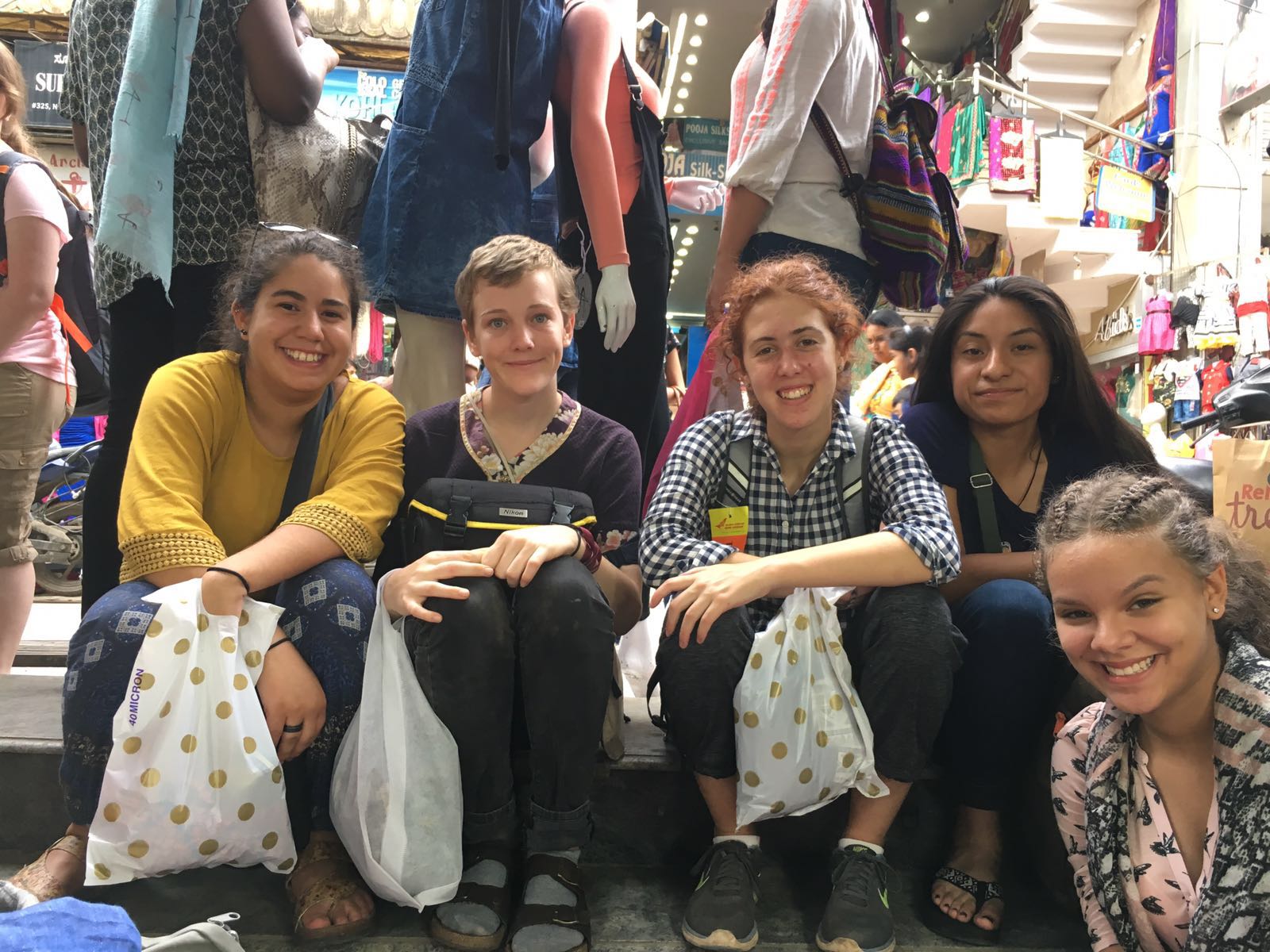
Shopping on Commercial Street
Photo Credit: Cassie Denbow